Home screen
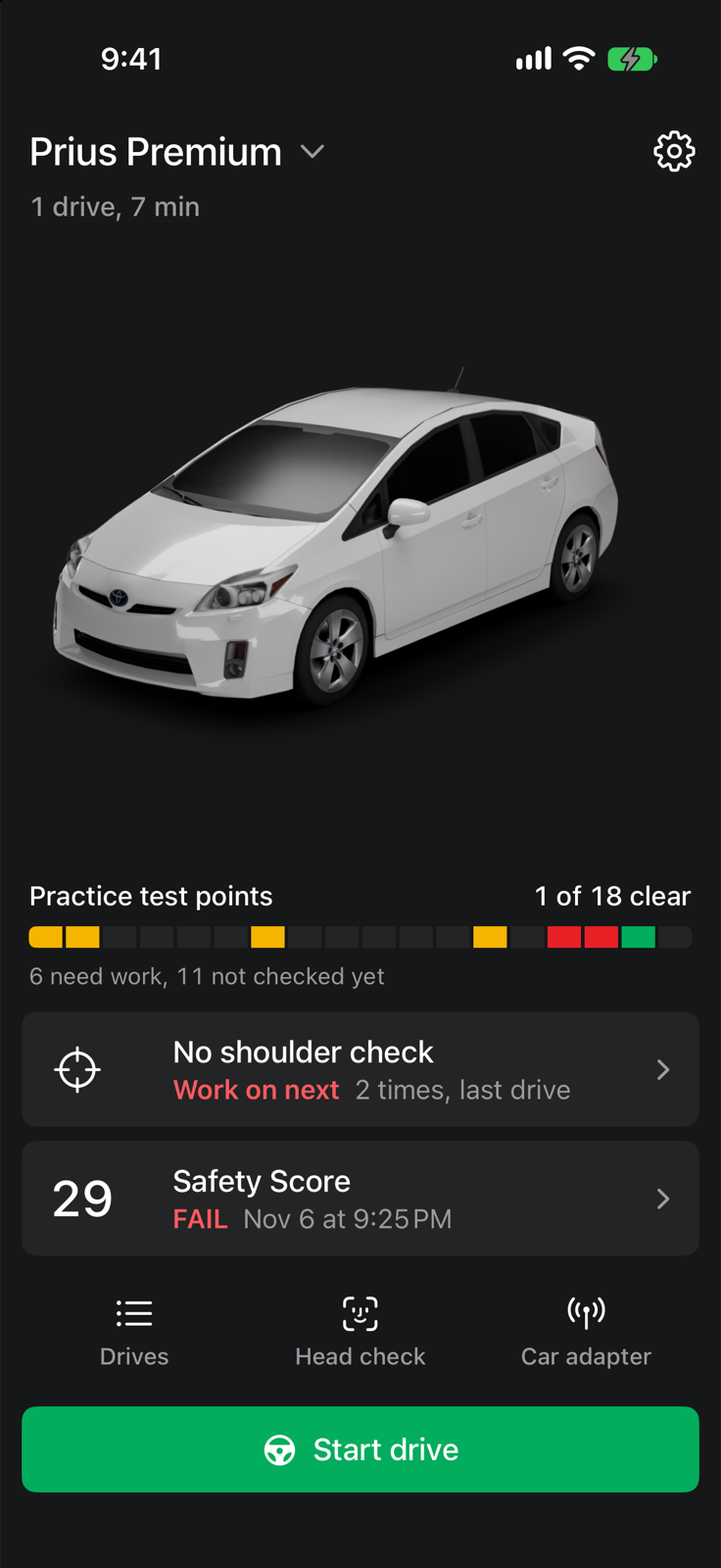
Start a drive.
Open the app with a licensed adult in the car.
Practice feedback based on DMV rules.
For iPhone.
Your feedback comes after you park,
never while you drive.
The examiner hands you a score sheet, not a replay. Then you wait, pay again, and try to remember what you did.
“Automatic failure is not looking over... checking a blind spot.”
Dots traced from one frame of a real drive, then turned in 3D. No video here. The app reads head turn with Apple Vision. 35 degrees is our own starting value, still being tuned.
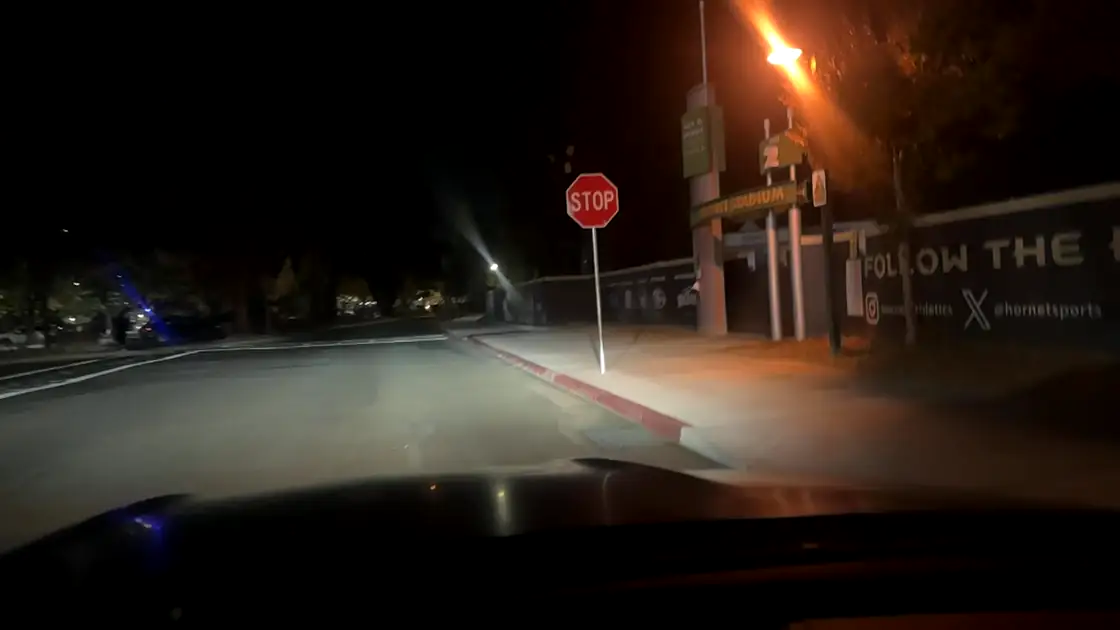
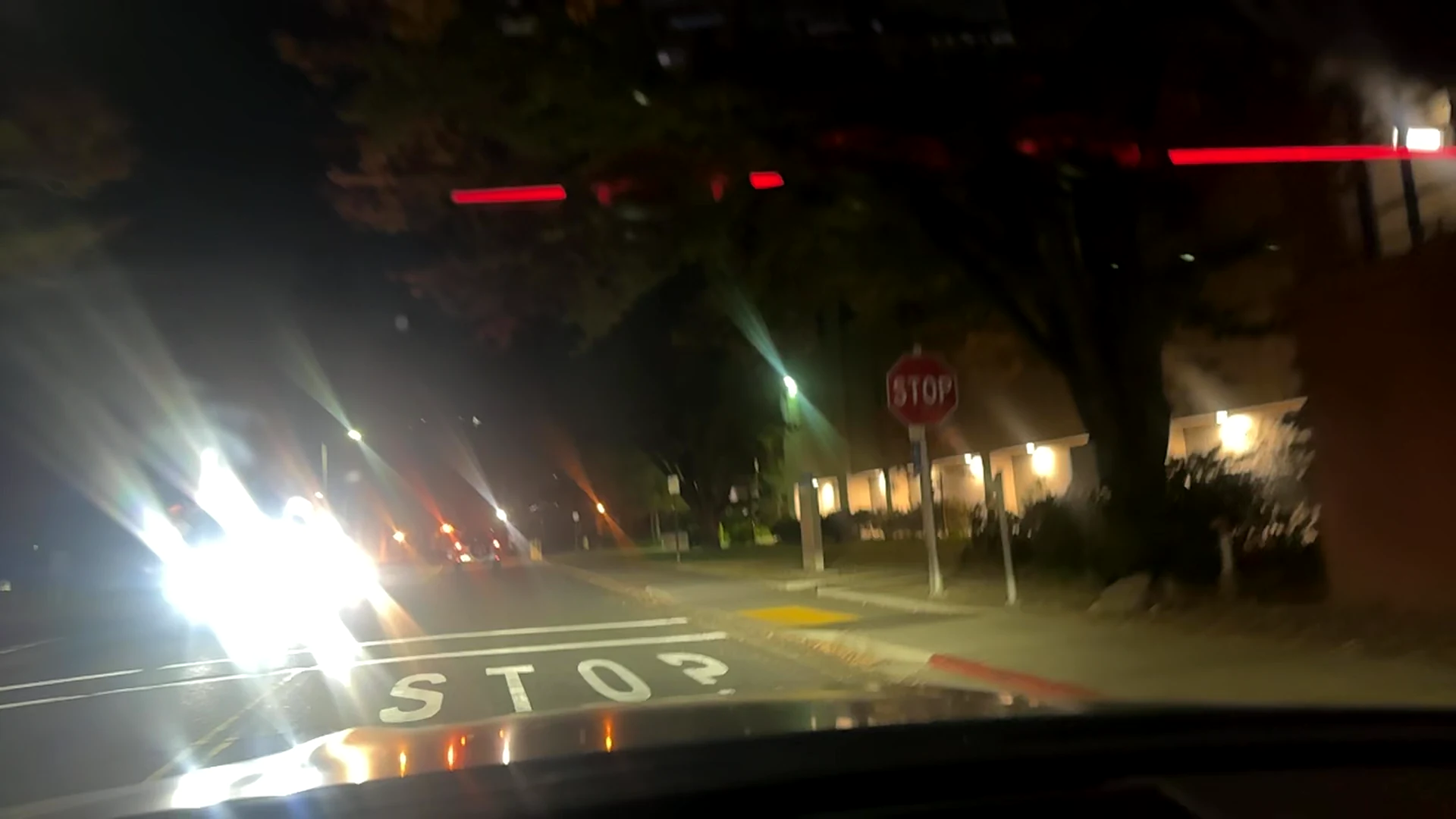
Real frames, real detection box and real speed from our first night drive.
4.3mph
Lowest speed at the sign
Rolling stop. Critical.
Over 4 mph at a stop sign. The 4 mph line comes from the DMV handbook. We take your lowest speed from the first sight of the sign until 4 seconds after it leaves the frame.
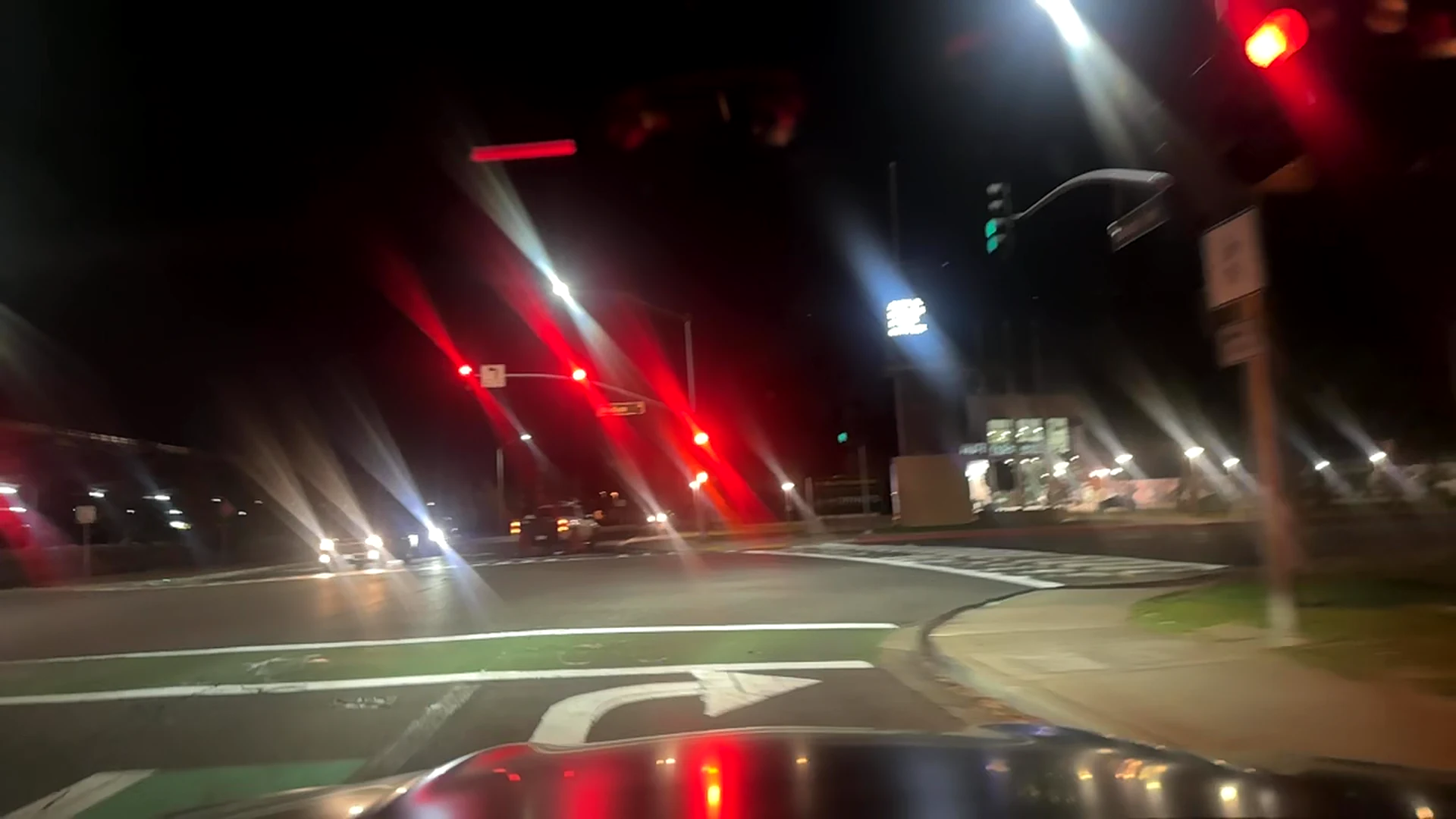
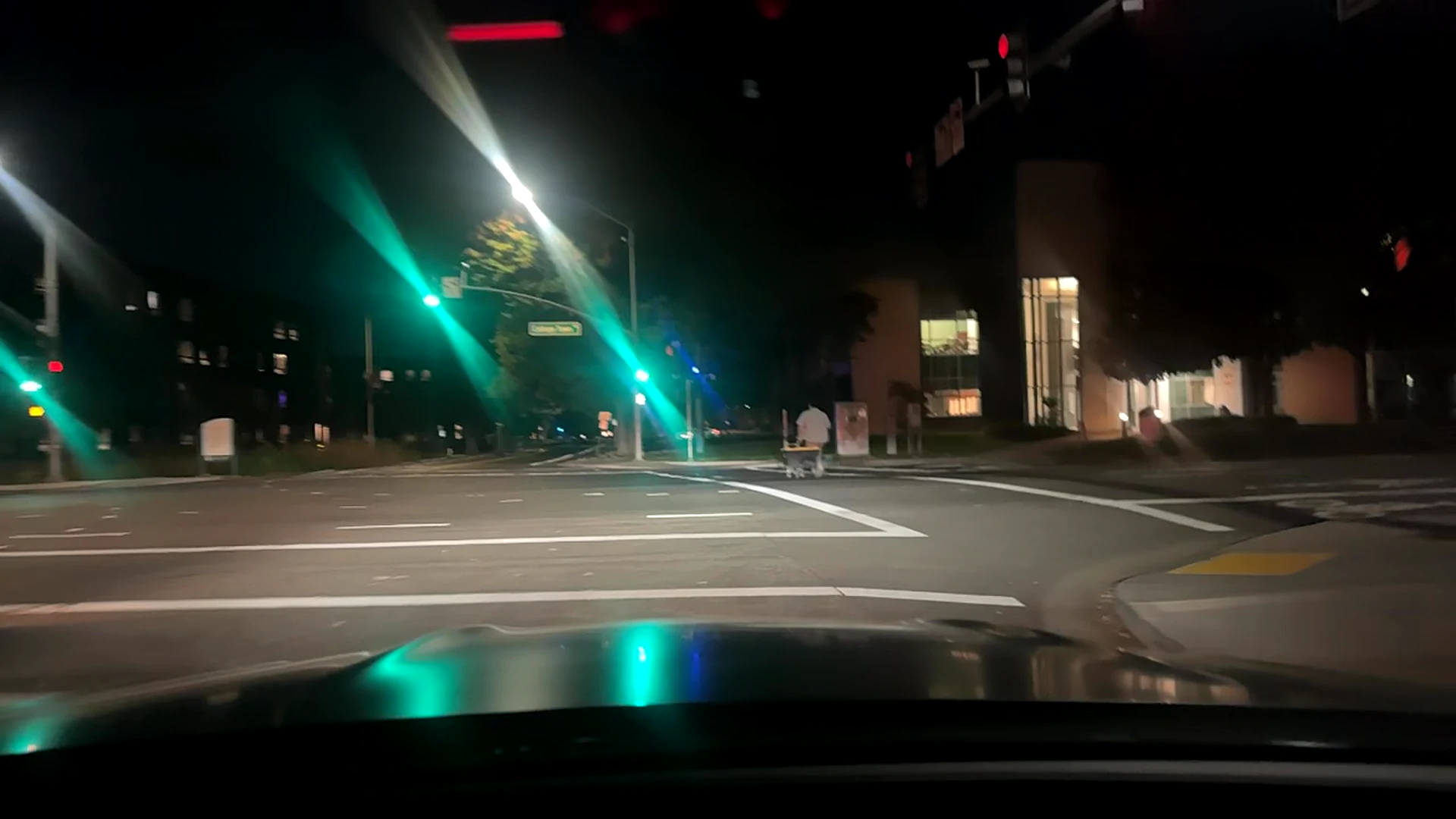
Stop signs and traffic lights, found in real night footage. Stop signs count toward your score. Light color is shown on screen but isn't scored yet.
Open the app with a licensed adult in the car.
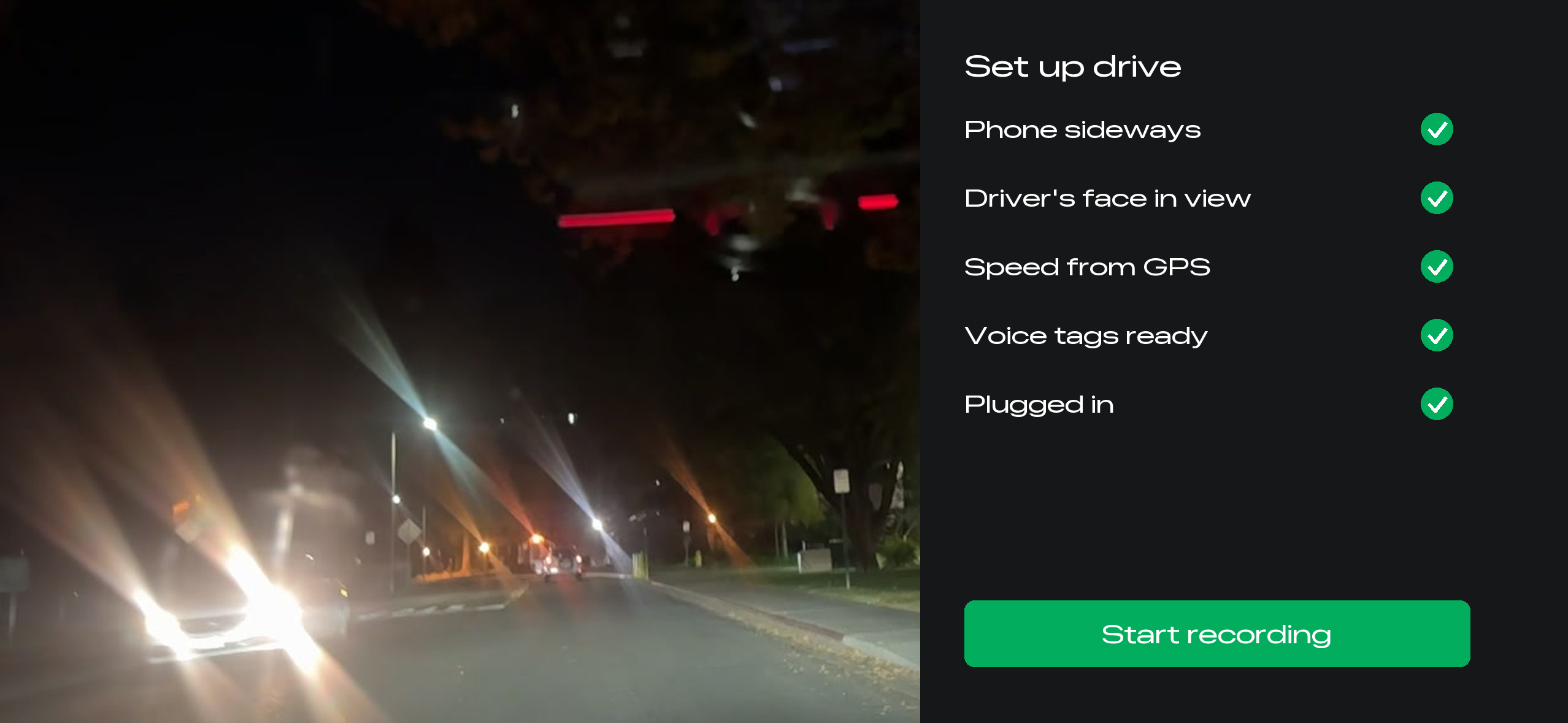
Sideways, where it doesn't block your view. Back camera on the road, front camera on you.
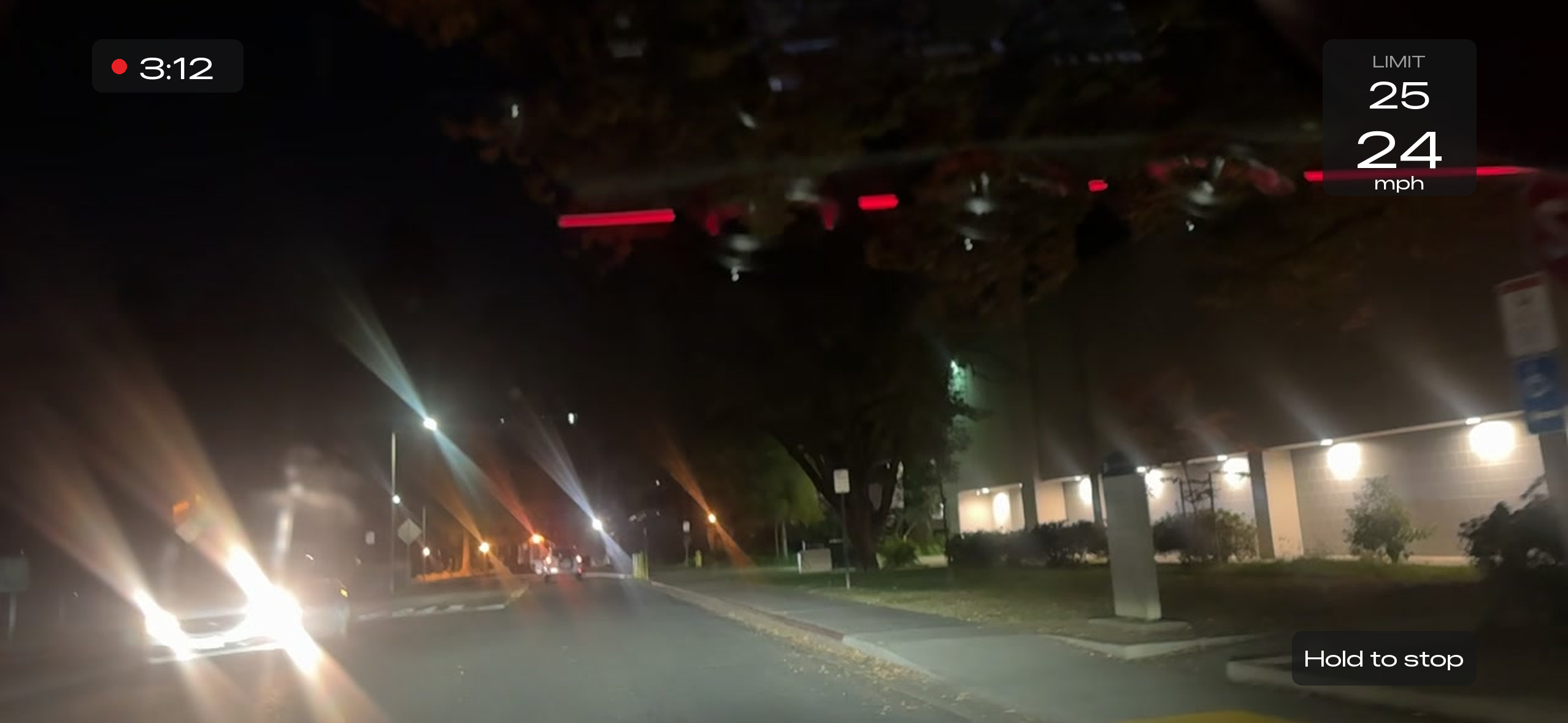
No alerts, sounds or scores during the drive. All of it waits until you park.
PASS or FAIL, then a clip of each mistake. Eight seconds around the moment, with the rule right next to it.
Each finding sits on your route. Speed limits come from OpenStreetMap, bundled in the app. Where a road has no data, speed isn't scored and the scorecard says so.
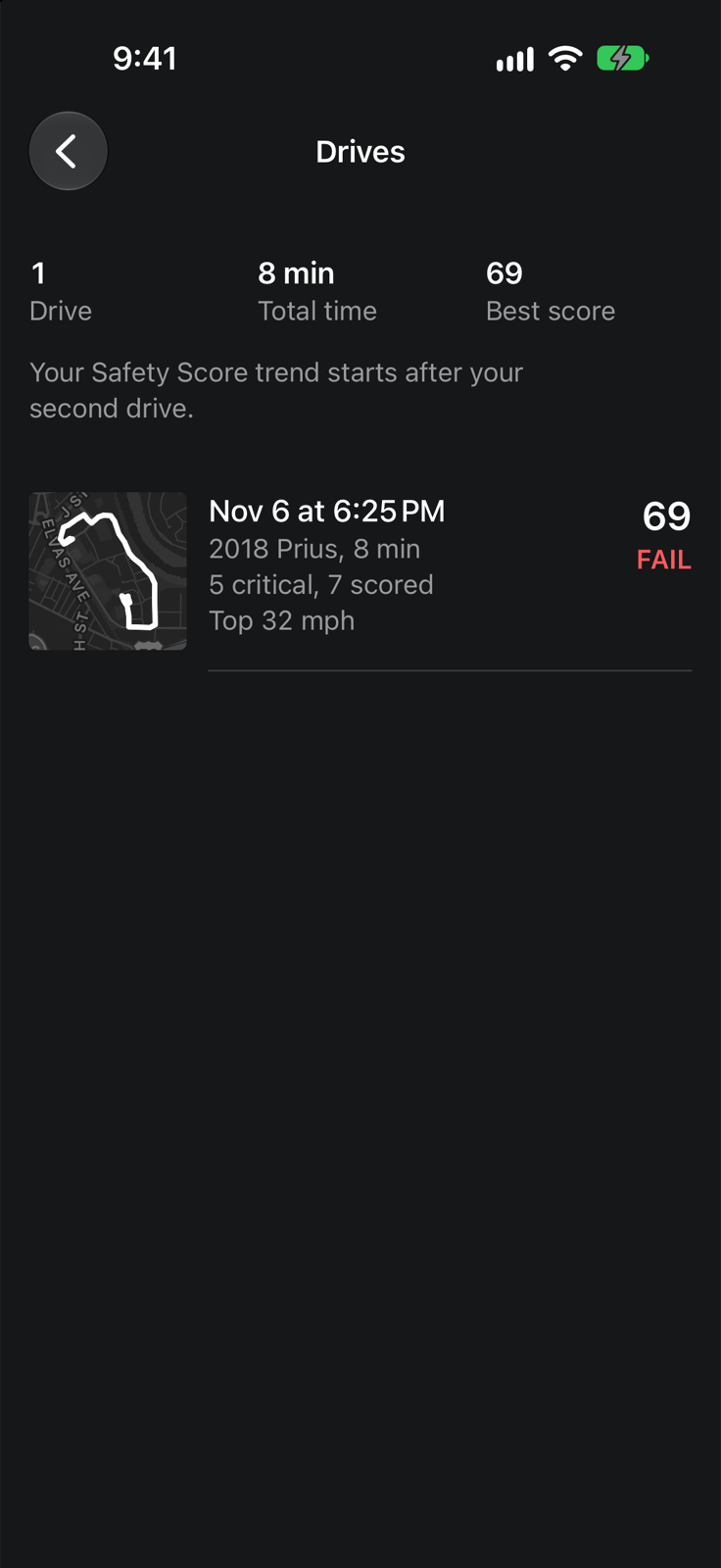
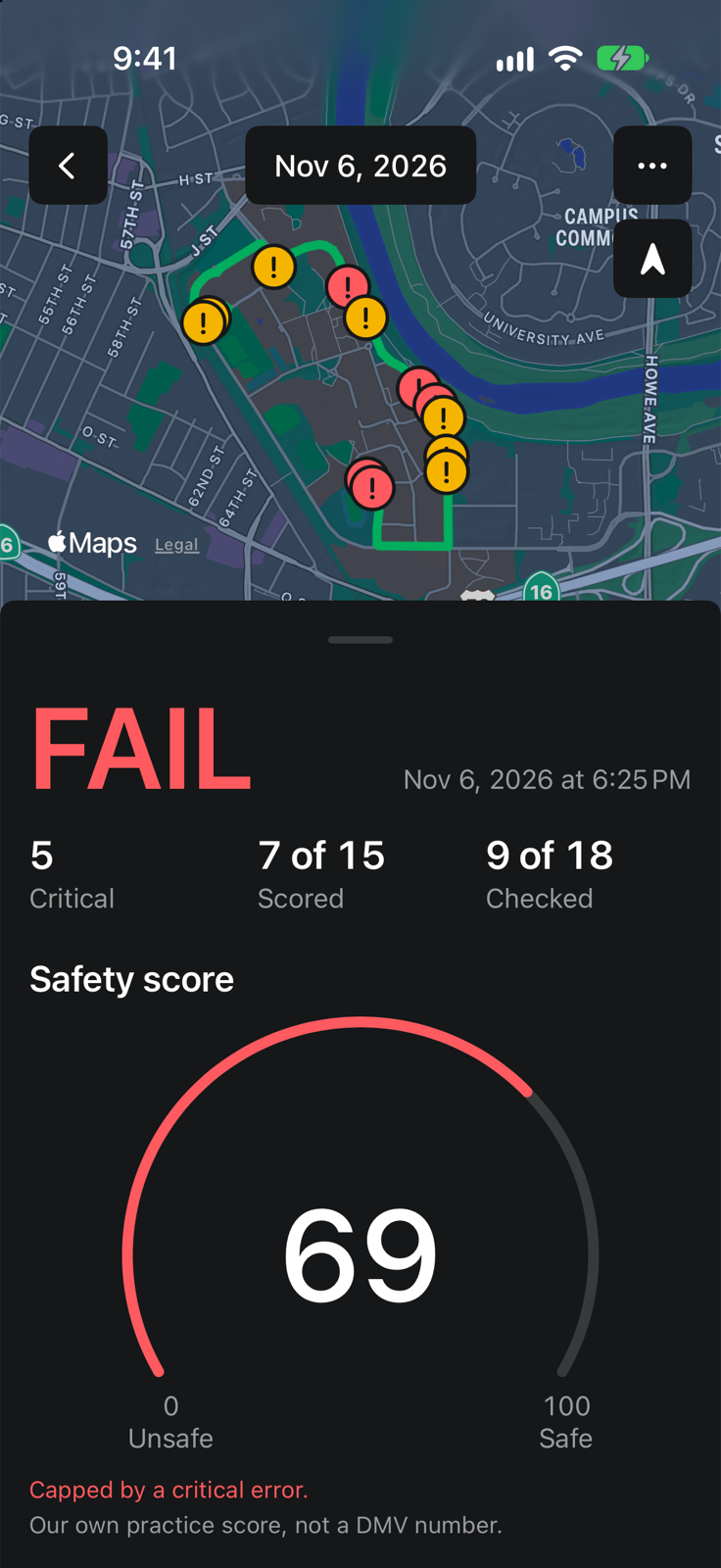
Our own 0 to 100 practice number. Not a DMV number.
Your score is the average of those five. 90 and up is good, 70 and up is okay.
69
One critical error and you can't score above 69.
Pass means no critical errors and no more than 15 scored errors, the same rule the DMV uses. Every scorecard says how many of the 18 it checked on that drive.
The 18 are ours, each named after a line on the sheet. 4 mph and 10 mph come straight from the DMV handbook. The other limits are our choices, and we're still tuning them.
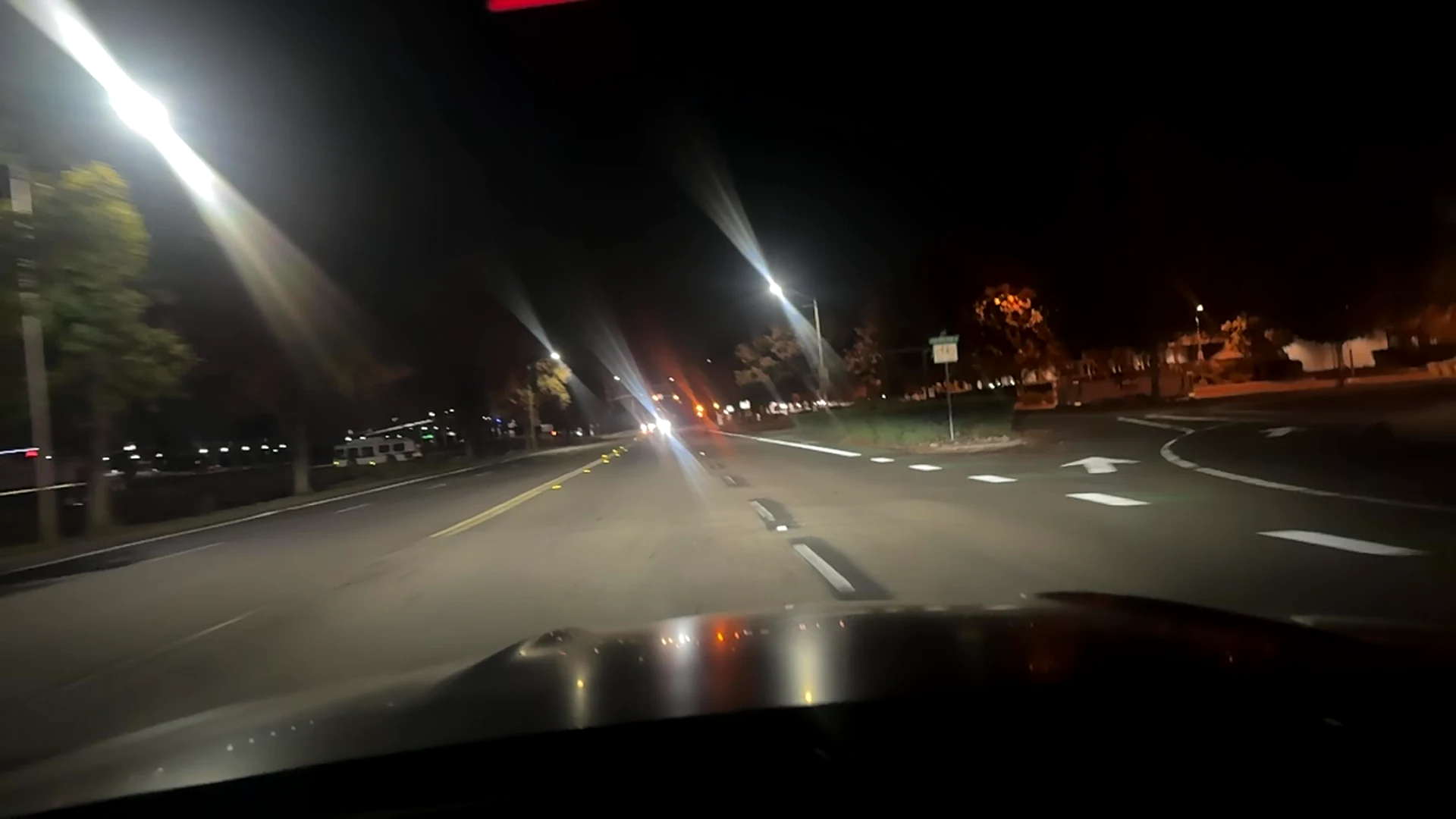
One 8 minute drive at night on campus, in a 2018 Prius with an iPhone 15 Pro Max and a Bluetooth car adapter. Heat stayed Normal the whole way.
Measured Nov 6, 2026. How many staged mistakes it catches is still being tested, and that number goes here once it's measured.
Stop signs, head turn and scoring run on your iPhone. Nothing is uploaded.
There's nothing to sign in to. Location and voice tags stay on the phone, and audio isn't saved.
Learners drive with a licensed adult. Take the phone down before a real test.
The other 50 are with someone who may not know how the test is scored. Trajectory makes those hours count. It doesn't replace lessons.
The parent sees what to work on without knowing the rulebook.
For anyone who needs a license to work, or failed once and wants to know why.
Driving schools, and refugee and immigrant programs that run driving classes. See what students do between lessons.
Find us at Capital Hacks 5.0 at Sac State.
“They (teens) don't scan the intersections.”
$49
One time. Planned launch price.
One 2 hour lesson in Sacramento costs $170 to $260.
Coming to iPhone soon.
DownloadiPhone XS or newer, iOS 17 or newer, and a dashboard mount. A Bluetooth car adapter adds exact speed, and GPS works without one.